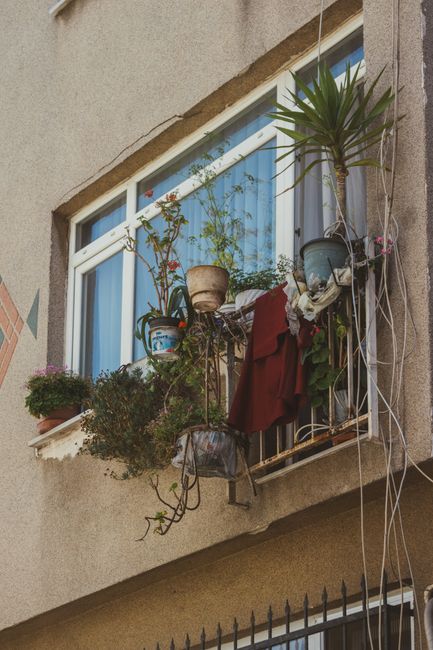
Edmonton N9 balcony gardeners planting schemes for small spaces
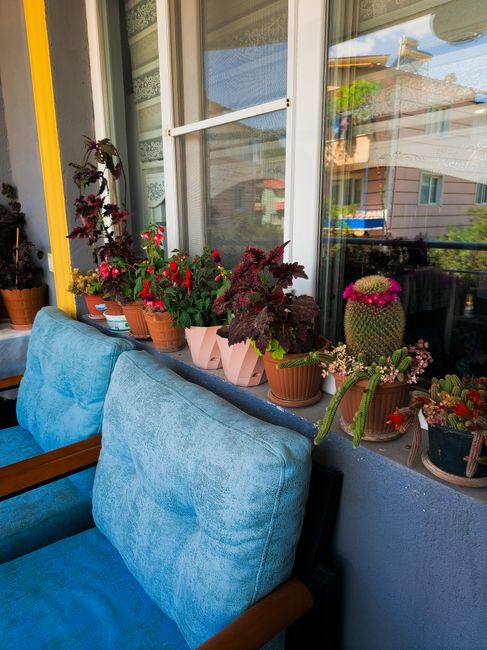
If you're trying to turn a cramped balcony into something green, useful, and a bit lovely to look at, you are not alone. Edmonton N9 balcony gardeners planting schemes for small spaces are all about making the most of limited square footage without turning your outdoor area into a cluttered jumble of pots. The trick is simple enough in theory, but a little more thoughtful in practice: choose plants that suit the light, keep the layout easy to live with, and build a scheme that still looks good in January, not just in June.
In this guide, we'll walk through how to plan a balcony planting scheme that actually works in a North London setting, from choosing compact plants and containers to avoiding the mistakes that make small spaces feel smaller. There's no need for a grand garden to make a real impact. A well-planned balcony can feel calm, private, and surprisingly abundant.
- Why it matters
- How it works
- Key benefits
- Who it is for
- Step-by-step guidance
- Expert tips
- Common mistakes
- Tools, resources and recommendations
- Law, compliance, standards, or best practice
- Options, methods, or comparison table
- Case study or real-world example
- Practical checklist
- Conclusion
- Frequently asked questions
Why Edmonton N9 balcony gardeners planting schemes for small spaces Matters
A balcony in Edmonton N9 faces the same basic challenge as many urban outdoor spaces: there's usually more ambition than floor area. That can be frustrating, especially if you want flowers, herbs, privacy, and maybe a little edible harvest, all at once. Without a proper planting scheme, the space can quickly become a row of random pots that dry out unevenly, get blown about in the wind, and look tired by mid-season.
Good planting schemes matter because they bring order to the chaos. They help you decide what belongs where, how tall things should be, and how to keep the whole setup low-maintenance enough to enjoy. On a balcony, that matters even more than in a garden, because every pot, tray, and trellis is visible all the time. There's nowhere for poor planning to hide. Truth be told, that's also what makes a well-designed balcony so satisfying.
For Edmonton N9 homes, balcony gardening is often about balancing practical needs with a local urban feel. Wind, shade from neighbouring buildings, privacy concerns, and limited load-bearing capacity all influence the final scheme. So this isn't just about "what flowers look nice." It's about building a living space that fits the structure, the season, and your routine.
How Edmonton N9 balcony gardeners planting schemes for small spaces Works
A successful planting scheme starts with a simple hierarchy: structure, fillers, and finish. Structure means the backbone plants, such as a compact shrub, tall grasses, climbing plants, or a pair of statement containers. Fillers are the middle layer - herbs, seasonal bedding, foliage plants, or smaller flowering varieties. Finish refers to trailing plants, edge softeners, and little details that make the scheme feel complete rather than boxy.
In a small balcony, the best schemes usually work vertically as much as horizontally. Think shelves, rail planters, hanging pots, and narrow plant stands rather than just a line of floor containers. That gives you height without sacrificing walking space. It also creates a layered look, which is a very handy trick if the balcony is narrow or overlooked.
It also helps to design by conditions, not by wish list. If a balcony gets strong afternoon sun, go for drought-tolerant plants and sturdy pots. If it is shaded much of the day, choose foliage-rich combinations, shade-tolerant flowers, and plants that won't sulk in lower light. A planting scheme only works when the plant choices match the actual conditions. Sounds obvious, but people skip this step all the time.
One useful way to think about it is this: your balcony is a tiny ecosystem. Watering rhythm, drainage, wind exposure, and container weight all matter just as much as colour. Once you understand that, the design choices get a lot easier.
Key Benefits and Practical Advantages
The biggest advantage of a smart balcony planting scheme is that it gives you a usable outdoor room, not just a decorative corner. You gain somewhere to sit with a cup of tea, somewhere to grow herbs for the kitchen, and somewhere that feels a bit softer and more personal than a bare railing and a couple of forgotten tubs.
Here are the benefits most homeowners notice first:
- Better use of space: layered planting makes a small balcony feel fuller without becoming crowded.
- More privacy: taller plants and screening containers can soften sightlines from neighbours.
- Improved atmosphere: greenery changes the feel of a balcony instantly, especially in spring and summer.
- Flexible maintenance: a planned scheme is easier to water, feed, and tidy than scattered individual pots.
- Seasonal interest: you can build in flowers, foliage, and winter structure so the space doesn't go dull.
There's also a quieter benefit that's easy to miss: balance. A well-planned balcony can make an upper-floor flat feel less boxed in. You may not notice it right away, but after a week or two, the space starts to feel more restful. That small shift matters more than people expect.
Who This Is For and When It Makes Sense
This approach is for anyone with a small balcony who wants more than a few decorative pots. It suits tenants, leaseholders, homeowners, and landlords who want a neat, low-fuss outdoor area that still feels alive. It's especially useful if you have:
- a narrow balcony with limited floor space
- a sunny or partially shaded exposure you want to use properly
- a strong desire for privacy without heavy screens
- the wish to grow herbs, salad leaves, or compact edibles
- a balcony that currently looks unfinished or awkward
It also makes sense if you've tried balcony gardening before and found it harder than expected. Small spaces can be odd. One pot dries out, another stays waterlogged, and suddenly the whole thing looks a bit defeated. A planting scheme gives the balcony a plan, which sounds dry but is actually the secret to making it pleasant to use.
If you are only after a single statement planter, you probably don't need a full scheme. But if you want the balcony to work as a true extension of your home, then a structured planting plan is worth the effort.
Step-by-Step Guidance
1. Measure the space properly
Start with the basics: length, width, rail height, and any awkward corners. Note where doors open, where you stand, and where chairs or a small table might go. People often forget how much room a door swing takes up. It's a classic balcony mistake, and a very fixable one.
Also check how much weight the balcony can reasonably take. Pots filled with wet compost are heavier than they look, and large ceramic containers can add up quickly. If you are unsure, keep the scheme lightweight and spread the load rather than clustering everything in one spot.
2. Study the light and wind
Spend a day noticing what the balcony actually does. Is it bright morning sun, hot afternoon sun, or mostly shade? Does wind whip through after lunch? Does one corner stay sheltered? Those details decide the planting palette more than anything else. A balcony that looks sunny in winter may be much harsher in summer, so use your own observations rather than guesswork.
3. Pick a style or planting theme
A theme keeps the scheme from looking messy. You might go for:
- soft and romantic: trailing flowers, pale foliage, and muted container colours
- modern and clean: architectural grasses, evergreen structure, and a restrained colour palette
- edible and practical: herbs, salad leaves, strawberries, and compact tomatoes
- wildlife-friendly: nectar-rich flowering plants, herbs, and pollinator-friendly varieties
A clear theme keeps everything feeling intentional, even when the space is tiny. And yes, tiny spaces absolutely can have style.
4. Build the scheme in layers
Use at least three layers if possible:
- Back layer: taller plants, climbers, or screening containers against the wall or rail
- Middle layer: medium-height plants that carry the colour and body of the scheme
- Front layer: trailing or compact plants that soften the edges
This is the point where many balcony gardens start to look professional. The eye reads depth, not clutter. Even a narrow balcony can feel generous when the height is used well.
5. Choose containers with purpose
Use pots that suit the scheme rather than buying them one by one at random. Lightweight resin, fibreclay, and some plastic planters are often more practical for balconies than heavy terracotta or stone. That said, one heavier statement pot can work beautifully if the balcony can take it and you really want a focal point.
Drainage matters. Always. Make sure pots have holes unless you are using them in a deliberately managed setup with inner liners and drainage layers. Standing water on a balcony is not just untidy; it can make plants fail fast.
6. Plant with spacing in mind
Small-space gardening is not about cramming everything in. Give each plant enough room to grow into its shape. Overfilling a balcony tends to create weak stems, poor airflow, and a constant watering headache. A slightly sparse scheme in week one usually looks much better by week six than an overstuffed one that is already collapsing.
7. Set a maintenance rhythm
Plan how you will water, deadhead, feed, and tidy the scheme. On a balcony, dry conditions can build up quickly in warm weather, especially if the wind is up. If you travel often, choose more resilient plants and group them by watering need so you are not forever playing catch-up.
A helpful rule: if a scheme is too awkward to maintain, it is too ambitious for the space. Simpler usually wins.
Expert Tips for Better Results
A good balcony scheme is not just about plant choice. It's about small design decisions that keep the whole thing stable, tidy, and enjoyable.
- Use repetition. Repeating one or two plants in clusters looks calmer than a collection of one-offs.
- Mix leaf shape, not just flower colour. Broad foliage beside fine-textured grasses or soft trailing stems creates depth.
- Choose at least one evergreen element. That way the balcony still has structure in colder months.
- Keep a spare pot or two. Something always needs swapping, and having a backup makes it easier.
- Use the rail carefully. Rail planters are great, but they need secure fittings and sensible weight.
One of the best tricks is to include plants that do more than one job. For example, herbs can look attractive and give you something to cook with. Compact grasses can soften the hard lines of a balcony while also handling wind better than many delicate flowers. That sort of double duty is gold in small spaces.
And if the balcony gets overlooked, don't be shy about using height. A tall potted plant or two can change the whole feel of the space. In fact, if privacy is the issue, that should probably be one of your first design priorities rather than the last.
Common Mistakes to Avoid
Small balconies magnify mistakes. What looks like a small issue in a garden can become a daily annoyance in a compact outdoor space. The most common problems are easy to avoid once you know what to look for.
- Overcrowding: too many pots make the balcony hard to move around and difficult to water.
- Ignoring wind: tall, top-heavy plants can suffer badly if they are exposed.
- Choosing plants for looks only: a pretty plant that hates the site will become a problem fast.
- Using heavy containers everywhere: weight adds up, especially with wet compost.
- Forgetting winter structure: a summer-only scheme can leave the balcony looking bare for months.
- Poor drainage: soggy roots are a common reason balcony plants fail.
Another mistake, and this one is sneaky, is buying plants before you've settled the layout. It usually leads to a patchwork scheme where everything is slightly too big, slightly too awkward, and somehow all in the wrong place. Happens more than you'd think.
Tools, Resources and Recommendations
You do not need a huge kit to create a good balcony planting scheme, but a few useful tools make the job much easier.
- Measuring tape: essential for planning layout and container sizes.
- Lightweight pots and planters: easier to move, safer for upper-floor spaces, and often better for reconfiguring the scheme later.
- Good-quality compost: container planting depends on it more than many people realise.
- Watering can with a narrow spout: ideal for reaching pots without soaking the floor.
- Securing ties or brackets: useful for climbers and rail planters where appropriate.
- Plant feed and mulch: help maintain healthier growth in containers.
If you want a broader overview of what a professional service may cover, it can help to look at a local services overview and compare that with your own needs. For space planning, hard surfaces, or more built-in outdoor improvements, some people also explore landscaping or, for deck-adjacent balconies and terraces, decking services. If your balcony is part of a wider outdoor refresh, those pages can help you think through the bigger picture.
For ongoing upkeep, the right support often depends on how much time you want to spend on the balcony yourself. If you prefer a steady level of care rather than seasonal overhauls, garden maintenance is the kind of service that keeps things looking controlled without becoming high effort.
Law, Compliance, Standards, or Best Practice
Balcony gardening sounds relaxed, but there are still practical rules and sensible precautions to think about. In a UK setting, the most important points are safety, weight, drainage, and any building or lease conditions that apply to your property. If you rent, check your tenancy agreement before fixing anything to walls, railings, or ceilings. If you own a flat, the lease or managing agent may have restrictions on external alterations.
Best practice is to avoid anything that could become a falling hazard or place undue stress on the balcony. That means securing rail planters properly, not overloading the structure with heavy materials, and being cautious with hanging systems. Water runoff is another one: try not to let excess water drip onto neighbours below. It's a small detail, but it matters.
There's also a common-sense health and safety angle. Use stable steps or a proper platform when fitting tall planters, and keep the balcony clear enough to move safely. If you are using trellis, windbreak fabric, or climbing supports, make sure they are fixed in a way that suits the location rather than relying on hope and a couple of cable ties. Hope is not a fastening system, sadly.
For homeowners and landlords who want to be especially careful, it is worth reviewing things like insurance implications, safety guidance, and routine maintenance expectations before making larger changes. A tidy, well-kept balcony is usually the safest balcony, and that is the standard to aim for.
Options, Methods, or Comparison Table
There is more than one way to build a balcony planting scheme. The right method depends on your space, light levels, and how much maintenance you want.
| Method | Best for | Strengths | Watch-outs |
|---|---|---|---|
| Container-only scheme | Very small balconies with limited fixing options | Flexible, easy to change, simple to maintain | Can look flat if not layered carefully |
| Vertical scheme | Narrow balconies and privacy-focused spaces | Uses height well, keeps floor clear, creates screening | Needs secure supports and more planning |
| Mixed ornamental and edible scheme | People who want beauty and usefulness | Practical, colourful, good for small households | Needs regular harvesting and feeding |
| Low-maintenance evergreen scheme | Busy homeowners or rental properties | Stays neat year-round, less seasonal collapse | Can feel subdued if not softened with seasonal colour |
For most Edmonton N9 balconies, a mixed approach works best: some evergreen structure, some seasonal colour, and a few useful herbs or edible plants. That combination gives you year-round shape without losing the fun bits.
Case Study or Real-World Example
Imagine a narrow first-floor balcony in Edmonton N9 with morning sun, a bit of wind, and not much depth. The owners want privacy from the neighbouring building opposite, but they also want room for two chairs and a small side table. A classic small-space problem, really.
The finished scheme uses three tall, lightweight planters along one side with upright evergreen structure and a couple of wind-tolerant grasses. On the rail, there are securely fixed planters with herbs and compact seasonal flowers. The far corner holds a slightly taller pot with a statement plant to draw the eye upward. A trailing plant softens the front edge of the arrangement, making the balcony feel fuller without stealing space.
What changed most? Not just the look, but the way the space felt. The balcony stopped looking like a leftover strip and started to feel like a room. That's the real goal. Even on a grey London afternoon, it still had shape, colour, and privacy. Not flashy. Just right.
If the scheme had been designed without thinking about wind, the taller plants would have struggled. If it had been packed with too many soft annuals, it would have looked tired by August. Instead, the layout matched the space, and that made the difference.
Practical Checklist
Use this before you buy or plant anything.
- Measure the balcony accurately.
- Check the light levels at different times of day.
- Note wind exposure and any sheltered spots.
- Confirm whether the balcony can take heavier pots.
- Choose a clear style or planting theme.
- Plan for height, middle layer, and trailing finish.
- Pick containers with drainage holes.
- Keep enough room to walk and open doors safely.
- Group plants with similar watering needs.
- Include at least one evergreen or structural plant.
- Decide how you will water and maintain the scheme.
- Check lease or building restrictions if relevant.
If you can tick most of those boxes, you are in good shape. If not, don't rush it. A balcony scheme gets better when it's thought through, not when it's shoved together in one enthusiastic weekend.
Get a free quote today and see how much you can save.
Conclusion
Edmonton N9 balcony gardeners planting schemes for small spaces work best when they are designed with real life in mind. That means matching plants to light, using vertical space intelligently, choosing containers that are safe and practical, and keeping maintenance realistic. When you do that, even a small balcony can feel layered, private, and genuinely inviting.
You do not need a huge budget or a giant selection of plants. You need a clear plan, a few smart choices, and the patience to let the scheme settle in. Small balconies reward good decisions quickly. One morning you'll step outside, hear the faint rustle of leaves, and realise the space finally feels like yours. That's a lovely moment, to be fair.
Frequently Asked Questions
What plants are best for Edmonton N9 balcony gardeners with small spaces?
Compact shrubs, herbs, trailing plants, grasses, and seasonal flowers usually work well. The best choice depends on sunlight, wind, and how much care you want to give them. A mixed scheme is often the safest bet.
How do I make a small balcony look bigger with plants?
Use vertical layers, repeat a small number of plant types, and avoid overcrowding the floor. Taller plants at the back or sides can draw the eye upward and make the balcony feel more spacious.
Can I grow herbs on a balcony in Edmonton N9?
Yes, absolutely. Herbs are one of the best balcony options because they are useful, often compact, and easy to harvest. Just make sure they get enough light and don't dry out too quickly in hot weather.
How many pots should a small balcony have?
There is no fixed number, but fewer well-chosen pots usually work better than lots of small ones. Start with a few layered containers and build up only if there is still room to move comfortably.
What is the easiest balcony planting scheme to maintain?
An evergreen-led scheme with a few seasonal accents is usually the easiest. It keeps structure year-round and reduces the need for constant replanting, while still letting you add colour when you want it.
Do balcony plants need special compost?
Container plants benefit from good-quality compost because they rely entirely on what you give them. Regular garden soil is usually not ideal in pots. The right compost helps with drainage, root health, and feeding.
How can I add privacy with balcony planting?
Use taller planters, upright grasses, and screening plants near the most exposed sightlines. A layered arrangement can soften views without making the balcony feel boxed in.
What should I avoid on a windy balcony?
Avoid fragile, top-heavy plants and unstable containers. Use heavier bases where appropriate, but keep the overall setup balanced. Wind-resistant plants and secure fixing are far better than hoping for the best.
Can I use hanging pots on a small balcony?
Yes, if they are secure and suitable for the structure. Hanging pots are useful for saving floor space, but they must be fixed safely and checked regularly, especially after strong winds or heavy rain.
How often should balcony plants be watered?
That depends on the weather, the container size, and the plant types. In hot or windy conditions, some pots may need watering daily. Smaller pots dry out faster, so group plants with similar needs to make life easier.
Is it worth hiring help for a balcony planting scheme?
If you want a polished result without trial and error, yes, it can be worth it. A good scheme saves time later because the layout, plant choices, and maintenance plan are all thought through from the start.
What is the main mistake people make with small balcony gardens?
The biggest mistake is trying to do too much in too little space. Overcrowding, poor plant selection, and ignoring light or wind usually lead to frustration. Simplicity tends to work better, and it lasts longer too.
All told, a small balcony can be a genuinely rewarding place to garden. Start with the conditions you actually have, keep the scheme clear, and let it grow into the space. That's where the good stuff happens.