Recycling and Sustainability for Gardeners Edmonton
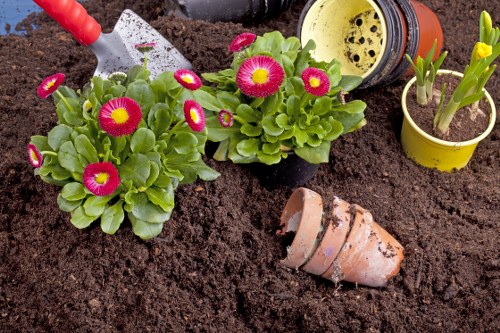 Gardeners Edmonton is committed to creating an eco-friendly waste disposal area and a practical, sustainable rubbish gardening area across our community plots and client sites. This page outlines our targets, the way we handle garden waste, our partnerships with local charities, and the low-carbon transport we use to keep operations green. We blend municipal best practice with neighbourhood initiatives so that every compost heap, pot exchange, and bulk haul contributes to a visible circular economy for gardeners and green-space stewards.
Our immediate recycling percentage target is to divert 70% of all garden and site waste from landfill by 2030, with an interim milestone of 55% by 2027. To reach this, we focus on separating green organics, timber for chipping, recyclable plastics and metals, and carefully processing bulky plant waste. The aim is measurable: we track tonnage diverted, compost output reused, and the reduction in mixed rubbish collected from sites to demonstrate progress toward a low-waste gardening model.
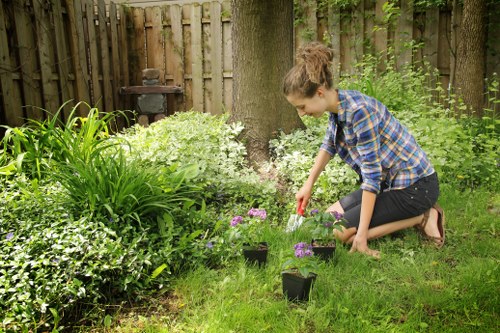 We coordinate with local transfer stations and community drop-off points that accept garden organics, wood, soil, and inert materials. Many neighbourhood boroughs and districts have adopted a dual-stream system—similar to some boroughs' approach to waste separation—where organics and dry recyclables are processed separately to increase recovery rates. Our approach respects those local schemes and aligns site separation with municipal collection rules so that green waste can become compost, mulches, or biomass feedstock rather than landfill-bound rubbish.
Partnerships with Charities and Reuse Networks
We work closely with charities and reuse organisations to keep usable materials in circulation: pots, raised bed timber, clean soil, and plant stock that can be reused by community allotments. These collaborations reduce waste and support food-growing projects and community greenspace initiatives. Donations and redistribution are structured so that salvaged items are safe and functional — not just moved from one waste stream to another — and charities benefit from scalable volumes of reusable garden goods.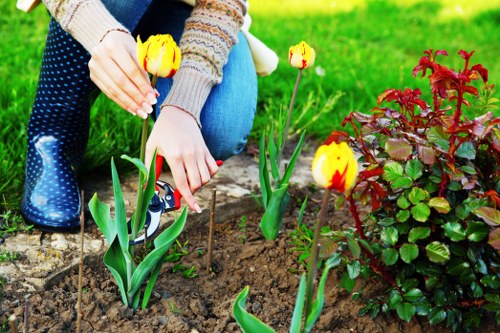 Our fleet is evolving: we are deploying low-carbon vans and hybrid vehicles for collections and deliveries to minimize emissions from site works. Low-emission transport is a key part of our sustainable rubbish gardening area strategy because moving bulky garden waste creates a significant portion of a project’s carbon footprint. Where possible we schedule multi-stop routes to local transfer stations, consolidating loads to reduce trips and embracing electric or biodiesel options when available.
Local transfer stations we partner with accept a range of separated materials and help us meet recycling goals. Typical categories we use to sort waste include:
- Garden organics (grass, prunings, leaves) for composting
- Wood and timber for chipping or reuse
- Inert soil and stone for reuse on landscaping projects
- Metals and hard plastics for standard recycling streams
Site Practices and Waste Separation
On-site, we install clearly labelled separation zones so crews and volunteers can sort materials at source. Source separation both reduces contamination and boosts the recovery rate. For example, garden organics collected separately produce higher-quality compost, while clean timber can be reused in raised beds or chipped for mulch. This kind of practical, on-the-ground sustainable waste management for gardeners is the backbone of our recycling and sustainability programme.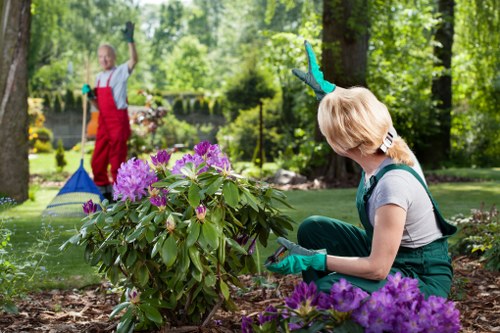 We also maintain partnership agreements with local reuse charities to accept gently used horticultural equipment and with community compost hubs that exchange finished compost for raw feedstock. These networks stretch the life of materials and support a local circular economy: soil and compost return to beds, pots and planters are refilled and reused, and bulky collections are routed to centres where materials get a second life rather than being incinerated or landfilled.
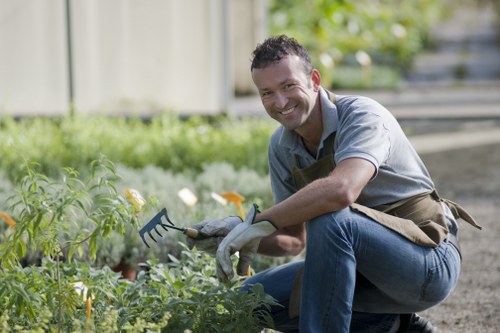 Measuring progress is essential: monthly tonnage reports, percentage diversion metrics, and route efficiency reviews inform continuous improvements. Our reporting shows which sites are highest-performing and where extra training or infrastructure—such as an additional separation bay or an electric collection van—will deliver better outcomes. The combined focus on an eco-friendly waste disposal area and a resilient, sustainable rubbish gardening area creates a model garden service that reduces carbon, reduces landfill, and returns nutrient-rich resources back into urban soils.
Final note: Gardeners Edmonton remains dedicated to raising the bar on recycling and sustainability in garden services. Through ambitious recycling percentage targets, coordinated use of transfer stations, meaningful charity partnerships, and a transition to low-carbon vans, we’re building a practical, local system for greener gardens and a healthier city landscape.

